Meridiam team secures US DFC’s backing for Jordan water PPP


- Package includes USD 1bn loan and USD 800m political risk insurance guarantee
- Meridiam and Suez hold 90% and 10% stakes respectively in the USD 6.56bn project
- Multiple lenders commit to financing, including EBRD, IFC, and AIIB
The US International Development Finance Corporation (DFC) has approved a USD 1.8bn support package for Meridiam and Suez’s national water carrier PPP in Jordan.
The US institution approved on 16 September a USD 1bn financing package and a USD 800m political risk insurance guarantee for the project, according to recent filings.
Infralogic reported in March that DFC was expected to provide a USD 1bn loan to the project. However, it is the first time that a political risk insurance coverage for the project has been formalised.
Meridiam has a 90% stake in the project, while the other 10% is held by Suez, the French water utility owned by Meridiam itself, BlackRock’s Global Infrastructure Partners (GIP) and French state-owned bank CDC, as reported.
This development is an important milestone for the project, which has been pushing to reach financial close since late last year, according to a source familiar with the project.
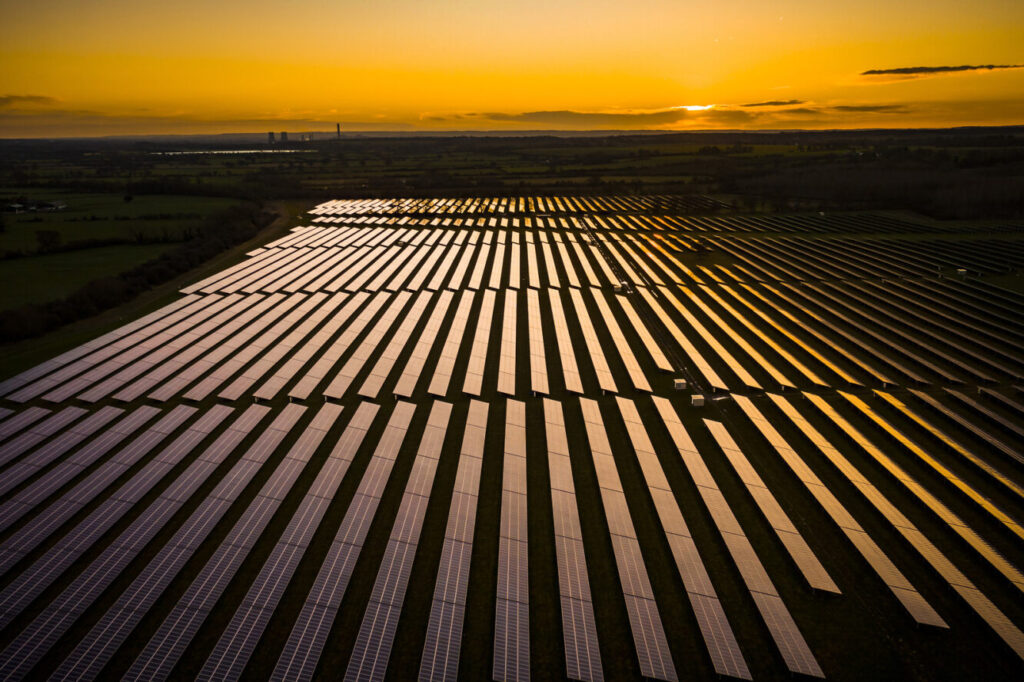
DFC’s estimate cost of USD 6.56bn for the project, which includes the development, financing and operation of a large water desalination plant in Aqaba, a water transmission pipeline network from Aqaba to the capital Amman, and a captive solar power plant, is higher than the USD 6bn estimate reported in March.
This is now USD 1.6bn higher compared from a USD 5bn figure reported by Infralogic last September, and around USD 3.5bn-USD 4bn when the sponsors won the PPP in January 2025.
The project is being financed by loans from local commercial banks and international development banks and lenders, as well as equity contributions by Meridiam and Suez, which together formed a special purpose vehicle called National Carrier Project Company (NCPC) to implement the project.
Some of the biggest lenders – EBRD, EIB, IFC, AIIB and France’s development agency Proparco – have approved their participation as reported.
The EBRD approved a loan of up to USD 475m in February, while the IFC also in February approved a direct loan of up to USD 375m. The EIB previously approved EUR 400m of financial support. The AIIB has also recently approved a USD 250m loan for the project, while IFC has approved around USD 375m of support.
Also in February, Kuwait-based Arab Fund for Economic and Social Development signed a USD 189m agreement to support the project, while the UNFCC’s Green Climate Fund has approved USD 295m of funding.
Infralogic also reported in March that a club of a dozen Jordanian banks has been working on a senior debt package of at least USD 1bn.
Aside from the senior debt, the financing package under negotiations includes almost USD 1bn of equity and shareholder loans from Meridiam and Suez, which have been discussing raising an equity bridge loan to cover part of their commitment.
Meanwhile, the World Bank’s Multilateral Investment Guarantee Agency (MIGA) previously approved an initial guarantee for the project’s development and is considering further guarantees for the sponsors’ equity.
The 30-year PPP, known as the Aqaba-Amman Water Desalination & Conveyance Project, includes a desalination plant in Aqaba with a capacity of 300 million cubic metres a year, pumping stations and a 438 km pipeline network connecting to Amman, as well as a renewable energy system with a capacity of 281 MW to help power the infrastructure.
Meridiam and Suez did not respond to requests for comment.