Aussie resources firm Terraform plans AUD 100m capital raise – founder


- Terraform seeks private equity investor to support growth
- Modular construction and solar power reduce costs by around 90%
- Terraform to deliver 286 homes at Om Hot Springs
Melbourne-based resources firm Terraform Technologies is targeting a capital raise of around AUD 100m in mid-2027, founder James Sackl told Infralogic.
Terraform is seeking a private equity investor to support its expansion plans, Sackl said.
The company combines modular construction techniques with solar-powered manufacturing to reduce construction costs, with Sackl claiming its approach can lower total costs by around 90%.
The company, which develops standardized, mass-manufactured components, is currently working on delivering 286 homes for a premium wellness destination, Om Hot Springs located in Victoria’s High Country.
While Terraform has so far focused on construction projects, its longer-term goal is to develop industrial-scale manufacturing systems that use solar power to produce physical resources, including housing materials and infrastructure, Sackl said.
Terraform is cashflow positive, thanks to strong product sales, Sackl said without providing further details.
The company’s business model combines its proprietary Shell housing system – which manufactures and deploys modular components – with its Worldpass travel platform that generates the capital required for the Shell system. While the Shell system targets the tourism and hospitality sector, delivering assembled holiday destinations, Worldpass offers a fraction-style, asset ownership to investors, bootstrapping the capital needed for research and development, and to mass-produce the structures.
Terraform focuses on boutique, off-grid eco-resorts in highly desirable destinations around Australia. The capital injection from investors towards ownership of holiday homes takes care of the capital expenditure required for their construction and to deploy the solar-industrial micro-factories on-site.
Solar focus
Terraform manufactures the building materials it uses to construct homes, “doing what no housing company has ever done,” allowing it complete control on costs, says Sackl.
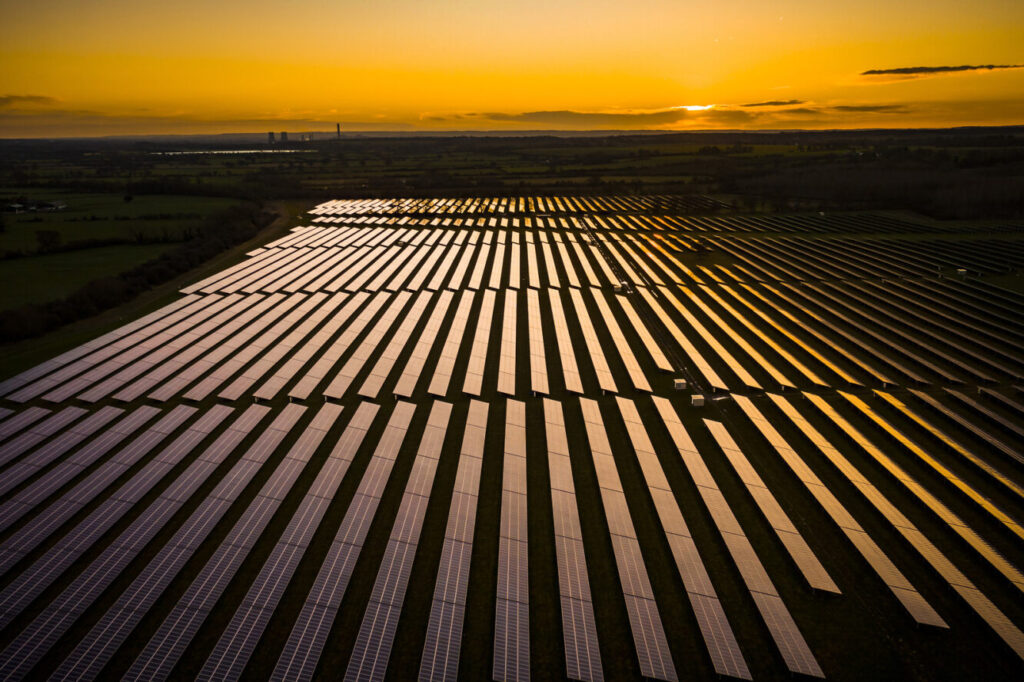
Whether it is glass, steel, glass wool, aluminium, or cement, manufactured at Terraform’s solar-industrial plants, as Sackl calls them, “each product scales in one megawatt increments: a megawatt of solar panels, roughly two hectares of them, wired to a megawatt of processing, kilns, melters, smelting cells repeated side by side on their own patch of ground, sunlight and raw feedstock in, Terraform materials out.”
“We design cheap plants to be fed free energy for six hours a day, and at today’s panel prices, the six hours win,” he said, adding that the plants are designed around the intermittency of solar power rather than treating it as a constraint.
R&D, slashing costs
Terraform attacks every layer of expense within a single integrated system. Multiplied together, these reductions are what help to cut total construction costs, with further gains delivered by manufacturing’s learning curve, says Sackl.
The company’s model rests on years of research in diagnostics, materials and manufacturing, much of it funded through Australia’s R&D Tax Incentive. On paper, the program is world class, says Sackl, but in practice, refunds are spent on new experiments and then disputed years later. Terraform has been contesting AUD 5.7m in refunds with the tax office since 2022.
That experience shaped its strategy of building a business model that does not rely on grants, subsidies or incentives, he added.