US regains its spot as main investor in Latin America’s M&A market


- 2025 deal volume from US to LatAm up 407% YoY to USD 11.8bn
- ‘Donroe Doctrine’ realigns US focus on the Western Hemisphere
- Utility & Energy account for more than a quarter of deal volume
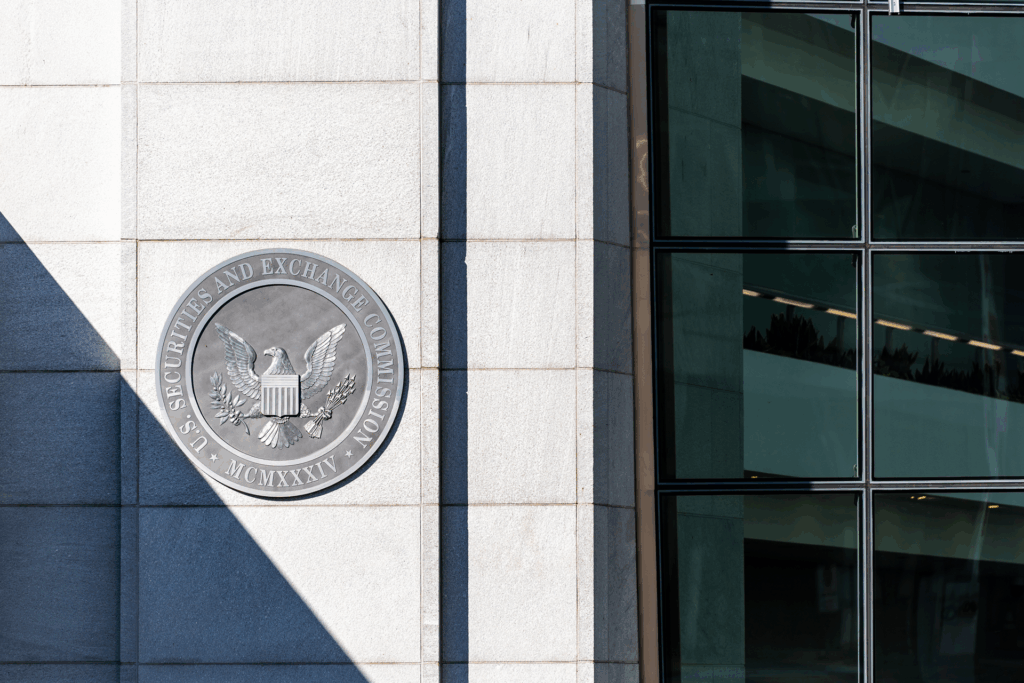
As the US realigns its focus on the Western Hemisphere under the so called ‘Donroe Doctrine’ – a reframing of the 1823 Monroe Doctrine by US President Donald Trump – it once again emerged as Latin America’s leading investor in 2025.
Last year, the US accounted for USD 11.8bn of M&A deal volume in Latin America, 11% of the total deal volume in the region and a massive 407% year-over-year increase, according to Mergermarket data. GE Vernova’s pending USD 5.2bn acquisition of a remaining 50% stake in Prolec GE, its joint venture with Mexican peer Xignux, was the biggest cross-border deal in the region.
In 2024, the US lost its spot as the lead investor in Latin America to France, according to Mergermarket data.
“Although we can’t say there is a causality [between the Donroe Doctrine and US investment in Latin America], there is a correlation,” said Gustavo Pessoa, finance researcher and managing partner at New York-based hedge fund Taleb Capital. “From the moment Trump speaks about a critical point, or a key region, everyone starts watching it.”
For José Ignacio Rivero, a Mexico City-based partner at law firm Pérez-Llorca, the current geopolitical environment tends to favor Mexico as global supply chains keep shifting away from China. From a security standpoint, the capture and transfer of Venezuela’s Nicolás Maduro to the US to face drug trafficking charges may be interpreted as a strong signal against drug trafficking, which could ultimately benefit Mexico, Rivero noted.
Argentina and other Latin American countries that have pursued closer alignment with Washington should continue attracting more investments from US investors, said Hernando Forero, partner at Latin American investment firm Grupo Pegasus.

On the other hand, Brazil could face some kind of sanctions under the Donroe Doctrine, “mainly due to the rigidity with which [the US] view and define who are their partners and who are their enemies,” said Daniel Toledo, a Brazilian lawyer specializing in international law and macroeconomics. Last year, the Trump administration backpedaled on tariffs on a range of Brazilian food exports, including beef, coffee and cocoa.
Foreign appetite
US investors, however, were not the only ones pouring money into Latin America. Inbound M&A deal volume increased 45% from USD 27.9bn over 365 deals in 2024 to USD 40.6bn over 600 deals in 2025, according to Mergermarket data.
Spain (USD 8.4bn across 28 deals) became the second biggest investor, followed by China (USD 4.7bn over 14 deals). A portion of Spain’s 858% year-over-year increase in deal volume stemmed from utility company Cox’s USD 4.2bn pending acquisition of Iberdrola Mexico, announced in July.
In Brazil, however, Europe and China remained the main cross‑border investors, according to two local investment bankers. State Grid’s USD 1.3bn acquisition of transmission company Mantiqueira from Brookfield is a hallmark of Chinese interest in the region, said Roderick Greenlees, global head of investment banking at Itaú BBA.

Chinese investors have been gradually looking for opportunities beyond infrastructure deals, said Danilo Ene Borges, managing director and head of M&A at Bradesco BBI. Fintech and heavy industry are some of the sectors drawing the attention of the Chinese, he added.
European buyers are also expected to remain active acquirers in Brazil, Greenless added. Iberdrola’s USD 2.2bn acquisition of Previ’s stake in Neoenergia and its USD 1.2bn tender offer for the remaining shares in the Brazilian energy company were among the largest M&A deals in Brazil in 2025.
“Europe’s industries are consolidated, so they are looking more towards the Southern Cone – emerging markets with more stability and maturity, like Mexico and Brazil,” said Carlo Pérez-Arizti, partner at Baker McKenzie’s Mexico City office.
Hot sectors
In line with the global rush to produce more electricity to meet growing demand, the Utility & Energy sector stood out as the top performing in 2025. Utility & Energy contributed to more than a quarter of Latin America’s M&A volume (domestic and inbound) with USD 29.3bn across 125 deals, according to Mergermarket data.
The Food & Beverage sector also saw a major jump from USD 436.8m over 47 deals in 2024 to USD 7.3bn over 48 deals in 2025, becoming the fourth sector with the most deal activity. Heineken’s USD 3.6bn acquisition in September of the multi-category beverage portfolio and proximity retail business of the Florida Ice and Farm Company (FIFCO) represented almost half of last year’s deal volume.
Healthcare has also been drawing investors’ attention, said Juan Camilo Rojas, managing partner at Mexican investment firm Method Capital. One of the largest deals in the sector is the USD 1bn pending sale of UnitedHealth’s South American business, Banmédica, to Patria Investments, he noted.
This news service reported in November that UnitedHealth aimed to secure a buyer for Banmédica at the end of the month, after the sale process advanced to second round.
Another segment showing substantial momentum is fintech, particularly neobanks serving underbanked populations, Rojas said, adding that a few large international players have demonstrated interest in consolidating this niche market. In September, for example, Mexican fintech Klar announced it agreed to acquire Banorte’s digital bank Bineo.
Baker McKenzie’s Pérez-Arizti cited tourism and education as two additional sectors drawing growing investor interest. He noted Tortuga Resorts’ USD 2.1bn acquisition of 15 all-inclusive resort in Mexico, the Dominican Republic, and Jamaica from Hyatt Hotels.
An important deal in the Education sector was Opportunity Asset Management’s acquisition of a 26% stake in Warburg Pincus’ Grupo Salta Educação for USD 222m.
A service of 

Your M&A Future. Today
Explore unlimited content like this, available only in the platform.
Already a client? Sign in