Mergermarket APAC showcases contributions, achievements and observations of outstanding leaders – Trailblazing Women


To mark International Women’s Day, ION Analytics, including reporters and analysts at Debtwire, Mergermarket, Dealreporter, Cybersecurity Law Report, Hedge Fund Law Report, and Anti-Corruption Report have interviewed outstanding women in their respective jurisdictions and fields.
It is our honour to highlight these women and their accomplishments and contributions to their industries and share some of their insights and perspectives. These lawyers, advisors, investors, and consultants from around the world specialise in private equity, restructuring, mergers and acquisitions, hedge funds, anti-corruption, data privacy, and more. We hope these remarkable women inspire you as much as they do us.
In this article, Louise Weihart, Maggie Lu Yueyang, Yiqing Wang, Jessica Wong, and Yuki Hagiwara profile a selection of notable women across the M&A dealmaking cycle in Asia Pacific, including: (i) Sandy Mak, head of corporate at Corrs Chambers Westgarth (ii) Jessica Curtis, executive director at UBS (iii) Nisa Leung, managing partner at Aulis Capital (iv) Kay Moon, managing director, general counsel at Macquarie Asia Infrastructure Funds, Macquarie Asset Management (v) Makiko Hayase, partner at Integral (vi) Joy Kwek, head of capital markets & solutions Asia Pacific at SMBC.
Sandy Mak
Head of Corporate at Corrs Chambers Westgarth
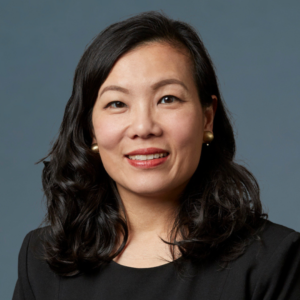
Sandy Mak is a market-leading M&A lawyer, who acts for both corporate and private equity clients across the globe on cross-border public and private mergers and acquisitions, foreign investment, equity raisings, buy-backs and restructurings. She also advises on ASIC and ASX regulatory work, foreign investment regulations and corporate governance issues. Sandy, which has consistently been listed as a leading lawyer by legal directories and publications including Chambers and Partners and Best Lawyers, was recognised in 2024 as a Dealmaker of the Year in Australasian Lawyer and Dealmaker of the Year in the Women in Law Awards.
What was a defining moment in your M&A career that shaped your leadership style?
I don’t think there’s ever been a defining moment – developing a good leadership style is an evolutionary process and about being able to constantly adapt to new challenges. A pivotal moment for me was when the firm gave me a leadership coach, Alicia Fortinberry, when I became the chair of Corrs’ Diversity Council. Alicia helped me formulate a style which was authentic and gave me the confidence to lead in the way that I wanted to, which was slightly different to other partners in a position of leadership around me at that time. I like to consensus build but I have had to find a balance between wanting people to like me and making hard decisions and delivering difficult messages to be an effective leader, and Alicia was an important part of that journey.
When did you feel you truly found your voice or confidence as a dealmaker?
It was probably when I was a four- or five-year partner and I was leading a transaction where a very senior and high-profile partner from another law firm was on the other side. I was very nervous that I wouldn’t be able to hold my own against that partner but once the deal began, I realised that even though I wasn’t as experienced, I was technically as capable as anyone around the table and in many respects more well prepared. That experience really did change my mindset and self-belief going forward.
What are the most exciting opportunities in M&A/PE in 2026?
Our M&A and PE teams are quite buoyed about the pipeline for 2026. Many of the sectors where we have strong experience and capability continue to be of interest to market participants. This includes tech, healthcare (particularly radiology and contract research organisations) and real estate/alternative property strategies. There are numerous “succession deals” in the making that we are aware of as well, where owners and private equity funds are looking to transition their businesses and seek liquidity.
How can organisations better support and retain female talent in the industry?
I’m a strong believer in fostering teams that actively support and cover for each other, and in deliberately minimising internal competition. Feeling like you are part of a team that has your back and being willing to do the same for others makes a real difference to retention and progression. This is particularly important for women who are juggling multiple professional and personal obligations, including caring responsibilities, and helps create more sustainable careers where women reach their full potential.
Jessica Curtis
Executive director at UBS

Jessica Curtis is a public markets M&A specialist at UBS, advising corporate and financial sponsor clients on takeover response, public‑to‑private transactions, and cross‑border M&A. Based in Melbourne, she has advised on innovative and complex transactions across the Australian and US markets. Jessica works across industries on strategic and execution‑critical mandates. Jessica has previously held roles at J.P. Morgan in New York and Macquarie Capital in Australia, bringing deep experience across global investment banking platforms and a demonstrated track record in strategically significant, transformational M&A.
What was a defining moment in your M&A career that shaped your leadership style?
When I was working in New York I was involved in a transaction where there were a range of complexities: regulatory uncertainty, capital markets challenges, differing incentives / risk appetites among stakeholder groups, and as always in this industry time pressure. The outcome ultimately hinged less on the structure and more on how effectively we could create alignment.
That experience shaped how I lead today. Leadership is not about having every answer, it’s about setting direction, empowering people to step up, and staying calm under pressure. I learned that teams perform best when they feel trusted, respected, and part of something bigger than the transaction itself. That mindset has stayed with me throughout my career.
Sustainable value creation comes from clarity of purpose, disciplined capital allocation, and the ability to bring people with you through complexity. Whether advising clients or leading teams, I focus on creating alignment early, being clear on objectives, and accepting that decisions need to be made when information is imperfect.
When did you feel you truly found your voice or confidence as a dealmaker?
I think confidence varies throughout a career. Earlier in my career, confidence was tied to technical capability and momentum. Over time, it’s shifted toward judgment and being able to frame trade-offs clearly, challenge assumptions constructively, and anchor decisions in the organisation’s strategic and financial objectives rather than the deal alone.
Confidence, for me, came from trusting my perspective and being willing to stand behind it. The real turning point came when I stopped trying to sound like the most senior person in the room and started focusing on adding genuine value to the discussion. I realised that credibility comes from insight, preparation and conviction. And to junior women especially, I’d say your perspective and your voice matters earlier than you think.
What are the most exciting opportunities in M&A / PE in 2026?
What excites me most about the current environment is that we’re seeing a return to strategic, fundamentals driven M&A. Accepting volatility as a constant, boards and sponsors are focused on growth, capital discipline, and long-term value creation.
The global and Australian M&A environment remains highly active, and financing markets are supportive. In the case of Qube and Bluescope, in 2026 we have already seen that quality Australian businesses are receiving strong interest and despite the ongoing geopolitical uncertainties we expect the activity to continue. It’s exciting to see superannuation funds and major shareholders playing active roles in influencing public markets transactions adding another aspect to negotiations. For private equity led transactions, creativity around capital structures, minority investments, and partnerships is becoming a real differentiator as traditional playbooks evolve.
Some of the most exciting opportunities are emerging at the intersection of industry transformation, energy transition, and technology enablement. Infrastructure, decarbonisation, and digitisation are no longer thematics but are core to corporate strategy. At the same time, private equity continues to play an increasingly sophisticated role, partnering with other forms of capital rather than simply competing with them.
How can organisations better support and retain female talent in the industry?
In my experience, women don’t tend to leave this industry because the work is demanding, they leave when progression feels opaque, sponsorship is inconsistent or cultural biases overwhelm recognition of capability.
Retention improves when organisations are intentional about how leadership capability is developed, not just how performance is measured. Deliberate access to complex situations, high-impact work, live transactions – and to decision-making forums – support career progression in this industry. The best outcomes I’ve seen have come when that kind of exposure is designed into a role, rather than left to informal networks.
More generally on culture, organisations need to value diverse leadership styles. When younger women can contribute authentically and see a credible path to long-term progression, organisations retain talent. Not because of policies, but because the environment itself is commercially and culturally sustainable.
Nisa Leung
Managing partner at Aulis Capital
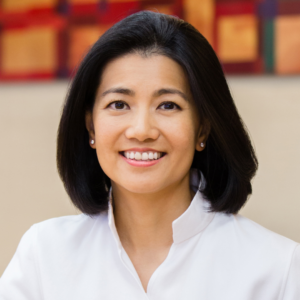
Nisa Leung is founding managing partner at Aulis Capital. She served as managing partner at Qiming Venture Partners, where she founded and led the firm’s healthcare practice since 2006. Nisa has been consistently recognised as one of the most influential investors in the industry. She has been featured on the Forbes Midas List for seven consecutive years (2019–2025). In 2024, she was honoured as one of Fortune Asia’s Most Powerful Women (MPW Asia).
What was a defining moment in your investment career that shaped your leadership style?
A defining moment in my investment career came when I led an early investment in Gan & Lee Pharmaceuticals, a small but determined biotech team working to develop China’s first bioequivalent insulin. At the time, the challenges were daunting: global incumbents like Novo Nordisk and Eli Lilly dominated the market and Eli Lilly even pursued litigation against Gan & Lee. The prevailing view among other investors was to wait until the risks had been reduced.
Our due diligence, however, uncovered something different—a founder with extraordinary clarity and resilience. A scientist-turned-entrepreneur, he had spent years navigating China’s regulatory landscape. He demonstrated remarkable conviction – defending the company against nine opposing lawyers without external counsel and prevailing. He even countersued Eli Lilly for patent infringement, leading to the cancellation of several of its patents in mainland China. Gan & Lee’s eventual IPO in 2016 and subsequent market share gains in the trillion-dollar insulin market vindicated the investment. This experience shaped my leadership philosophy. I now prioritise founders with deep domain obsession, encourage rigorous internal debate to test unconventional views, and lead with unwavering partnership through the long grind of biotech breakthroughs.
When did you feel you truly found your voice or confidence as a healthcare dealmaker?
I truly found my voice as a healthcare dealmaker around my third or fourth year of investing, when I spoke with conviction around a focused thesis. Leading early-stage healthcare investments helped me trust my own judgment beyond checklist diligence. The real turning point came when founders began seeking me out specifically for my grasp of clinical and regulatory nuances, not just financials. That’s when I realised I had developed a distinct voice: able to articulate a coherent healthcare thesis, defend contrarian bets, and guide companies through the messy middle stages of development. Looking back, it was the combination of patient centric focus, tangible proof points, and repeated invitations into difficult healthcare conversations that transformed me from a generalist with capital into a genuine healthcare dealmaker.
What are the most exciting opportunities in healthcare VC industry in 2026?
In 2026, besides the continued search for disruptive therapeutics for unmet medical needs, the most compelling opportunities in healthcare venture capital lie at the intersection of deep tech innovation and systems-level change—where capital can de-risk real-world adoption while still capturing meaningful upside. Three themes stand out: AI-driven clinical and operational tools, such as augmented diagnostics, imaging, and decision support platforms that are moving beyond pilots into reimbursed workflows; next-generation MedTech and digital therapeutics, including robotics, advanced wearables, remote monitoring, and regenerative therapies, which are gaining traction as investors reward companies with clear regulatory pathways and scalable models; and health services and infrastructure plays, from revenue cycle management to clinical trial acceleration, which offer recurring, defensible revenue while addressing the operational pain points of providers and payers. Collectively, these areas reflect a broader shift in 2026: the market is no longer chasing growth at any cost, but backing companies that combine strong science or data moats with credible paths to revenue, adoption, and exits.
How can organisations better support and retain female talent in the industry?
Venture funds can support and retain female talent in several practical ways: One can recruit more female investors, provide mentorship and sponsorship, ensure equitable promotion and compensation, foster an inclusive culture and flexible work structures and increase representation at the leadership level. At Aulis, two-thirds of our partners are women, and our team includes many highly accomplished female venture partners and senior leaders.
Kay Moon
Managing director, general counsel at Macquarie Asia Infrastructure Funds, Macquarie Asset Management

Kay Moon is managing director for Macquarie Asset Management’s Real Assets division, overseeing legal strategy for the Macquarie Asia-Pacific Infrastructure Funds (MAIF) platform, one of the largest infrastructure funds dedicated to the Asia-Pacific region. Based in Singapore, Kay manages legal oversight across complex cross-border transactions, strategic investments and asset management that shape the region’s infrastructure landscape.
What was a defining moment in your legal career that shaped your leadership style in infrastructure?
A defining moment for me was moving into my current role at Macquarie Asset Management supporting complex infrastructure investment across multiple jurisdictions in Asia-Pacific, where legal decisions have real consequences over decades rather than deal cycles. Many of the most important decisions sit in the grey area rather than being clear-cut legal answers. In this environment, effective legal leadership is less about saying “no” and more about leaning in — helping investment teams navigate complexity, uncertainty and risk with clarity and confidence.
Infrastructure investing is inherently long dated and shaped by regulations and long-term demand trends. That context reinforced the importance of building deep trust with the investment team, so that legal is seen not just as a control function, but as a trusted adviser and thought partner. In infrastructure investing in Asia-Pacific in particular, legal advice cannot exist in isolation – transactions are also deeply embedded in local regulatory, political and cultural contexts. This reinforces the importance of being commercially grounded, pragmatic and solutions-oriented – not simply identifying risk, but helping teams navigate it in a way that enables long-term value creation. By understanding the commercial objectives and engaging early, legal can help shape outcomes rather than react to them — and that approach continues to define how I lead today.
When did you feel you truly found your voice or confidence as a GC?
I found my voice when I became comfortable exercising judgment rather than simply providing options. Confidence as a GC comes from understanding the business context deeply enough to take a clear position, particularly when the issues are complex or the path forward is not obvious.
Having worked across private practice and inhouse roles, and across multiple markets, I learned that credibility is built through consistency — being commercially attuned, intellectually rigorous and prepared to stand behind decisions. That ability to balance conviction with collaboration has been central to my development as a legal leader.
For me, effective legal leadership is about smart risk-taking by fostering clarity, trust, and prudent judgment, ensuring teams feel equipped to invest confidently for the long term.
What are the most exciting opportunities in infrastructure investing / fundraising in 2026?
One of the most exciting opportunities in 2026 is the continued evolution of infrastructure as a global asset class, particularly across AsiaPacific. There is increasing investor appetite for assets that combine long-term stability with exposure to structural growth themes, including energy transition, digital infrastructure and essential services.
The most compelling opportunities are being driven by powerful secular tailwinds that are reshaping global infrastructure needs. Demographic change, digitalisation and the energy transition together represent an estimated USD 94trn of infrastructure investment required by 2040, creating long-term demand across a broad range of asset classes.
Digitalisation continues to drive strong demand for digital infrastructure — including towers, fibre and data centres — particularly in underserved markets where connectivity is critical to economic participation. At the same time, the energy transition and rising global energy demand are opening up new opportunities as markets decarbonise and modernise their energy systems.
Demographic shifts are also reshaping investment priorities. Ageing populations and a growing middle class are increasing demand for highquality healthcare and social infrastructure, while urbanisation and consumption growth are fueling the rise of megacities, driving the need for resilient transport, utilities and essential services. From a fundraising perspective, investors are increasingly focused on platforms that can navigate these themes with scale, discipline and strong governance.
From a fundraising perspective, sophistication is increasing — investors are more focused on governance, regulatory resilience and operational excellence. That creates opportunities for platforms that can demonstrate strong, active asset management capabilities, disciplined legal frameworks and the ability to operate effectively across diverse markets. For legal teams, this means playing a more integrated role in shaping investment strategy and fund design from the outset.
How can organisations better support and retain female talent in the industry?
Supporting female talent requires more than policies — it requires intent. Organisations that succeed are those that provide meaningful access to complex work, visible leadership pathways and genuine flexibility over the long term.
Retention improves when women are trusted with responsibility, exposed to decision-making roles, and supported through sponsorship as well as mentorship. Confidence is built through experience. When organisations actively back women to lead, make decisions and be accountable, it creates a culture where talent can thrive over the long term.
Macquarie’s ongoing commitment to achieving gender balance at a leadership level is demonstrated by the year-on-year increase in the representation of women across the total workforce. Women represent 62% of Macquarie Group’s Board of Directors and 44% across the firm’s total workforce. We have also offered a range of programs to help achieve gender equity and support women in their careers.
In demanding global industries, recognising that careers evolve over time — and that leadership potential does not follow a single template — is critical to building diverse and resilient teams.
Do you have any advice for younger women in infrastructure or law?
My most important piece of advice is to invest in developing both your technical expertise and your commercial awareness. Over time, these skills will compound, strengthening your credibility—particularly when you consistently show reliability under pressure. I encourage younger women not to self-select out of opportunities before they even arise; it’s important to remember that you don’t have to meet every single criterion before stepping forward.
Be proactive in seeking out mentors and sponsors who genuinely support your development and who can offer honest, constructive feedback. These relationships are invaluable, not only for your growth but also for building a network of advocates who will help open doors and guide you through challenges. Don’t shy away from roles or projects that feel unfamiliar or beyond your current experience—often, it’s precisely these new and sometimes daunting situations that lead to the most significant professional growth.
Just as crucial is the early cultivation of sound judgment and commercial acumen. Infrastructure and investment are long-term fields where credibility is built gradually, through consistent effort and thoughtful decision-making. I urge younger women to trust in their readiness and avoid underestimating their potential; you don’t need to check every box before pursuing a new challenge. Instead, surround yourself with mentors and sponsors who will encourage you to push your boundaries and expand your skill set.
Ultimately, the moments that stretch you—those that push you out of your comfort zone—are where true confidence and leadership are forged. Embrace these opportunities wholeheartedly, and remember that sustained growth comes from both building expertise and having the courage to seize new possibilities.
Makiko Hayase
Partner at Integral
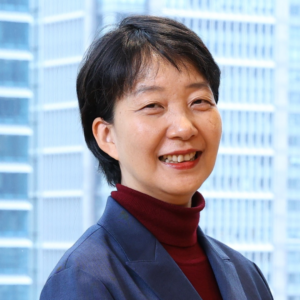
Makiko Hayase joined Integral Corporation, an investment firm, in 2007, shortly after its founding, following her experience in management consulting at McKinsey & Company and M&A advisory at Sakura Bank (now SMBC). She became a partner in 2020.
How would you describe the position of women in Japan’s buyout industry?
Buyouts are fundamentally about supporting the growth of the companies in which we invest. It is a highly rewarding profession, and I believe it is one in which individuals can thrive regardless of gender.
There may be a perception—perhaps influenced by stereotypes about Japanese corporate culture—that women find it difficult to succeed. However, within the investment industry, including buyouts, I see many highly capable female professionals playing active and influential roles. In my view, this is a field that increasingly values diversity, and where commitment and performance matter far more than gender.
Could you share an experience that left a strong impression on you?
One of the most memorable experiences in my career was when I served as interim CEO of a chemical fertilizer manufacturer in which we had invested. The former CEO from the founding family had indicated that he would step down following our investment, and one of our key objectives was to build a next-generation management team and drive further growth.
As I was responsible for the investment, it was a natural progression for me to assume the CEO role during the transition period.
Given that I initially had limited knowledge of the industry and the company’s day-to-day operations, I asked many questions in management meetings in order to fully understand the business and make informed decisions. To my positive surprise, this approach fostered more interactive discussions and encouraged the sharing of perspectives across different divisions. Over time, employees began collaborating more closely and exploring new ideas to support future growth.
This experience taught me that being “different” can be a strength. The fact that I was the least familiar with the company and the industry—and perhaps also the only woman on the management team—made it easier for people to approach me openly. In that sense, I was able to act as a catalyst for transformation within the organization.
What organisational systems or cultural reforms are necessary to better support and retain female talent in the PE buyout industry over the long term?
In the buyout industry, we typically support portfolio companies over an extended period. From a value-creation perspective, it is beneficial for professionals to remain with a fund for the long term—this creates value for the firm, the portfolio companies, and the individual’s career.
To enable this, it is important to establish flexible systems and a culture that allow professionals to continue working through major life events. At the same time, it is equally important to create an environment in which individuals consistently feel challenged and are able to grow.
Retention is not only about accommodating different life stages; it is also about ensuring that talented professionals are entrusted with meaningful responsibilities and opportunities for continued development.
Joy Kwek
Head of capital markets & solutions Asia Pacific at SMBC
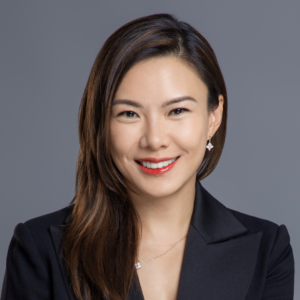
As the Head of Capital Markets & Solutions, Asia Pacific, Joy Kwek leads the strategic alignment of SMBC and SMBC Nikko Securities Inc. (SMBC Nikko) across the region, driving the delivery of integrated, client-focused financing solutions. She brings more than two decades of experience across investment banking, capital markets, fixed income and private wealth in Hong Kong and Singapore. Before joining SMBC, Joy served as Managing Director and Head of APAC Strategic Advisory Solutions at Morgan Stanley and was previously Head of APAC Private Asset Group and Greater China Strategic Advisory at Credit Suisse. Joy graduated from the University of California, Berkeley with a BA (Hons) in Economics, completing her undergraduate degree in two years. She is married with four boys who keep her on her toes outside of work – whether wakeboarding, skiing or keeping up with their boundless energy.
What was a defining moment in your career that shaped your leadership style?
A defining moment for me came early in my career during the 2008 financial crisis. I was a relatively new analyst on a credit derivatives team when Lehman Brothers collapsed. Almost overnight, the entire team was laid off, and I found myself – as the most junior person – suddenly responsible for managing a live restructuring for an Indonesian bank client in one of the most stressed market environments in history.
It was a baptism by fire. Credit spreads were blowing out, markets were volatile, and the transaction required navigating complex negotiations with the client while coordinating global credit and reputational risk approvals in New York. I was far more junior than one would normally expect in that position, but the circumstances required stepping up before I felt ready.
That experience has shaped my leadership style in lasting ways. It taught me to remain calm and solutions-focused under pressure, to take accountability regardless of title, and to create an environment where people feel supported when they are stretched. Having been given responsibility early, I try to do the same for my teams today – setting high standards while backing them and giving them the confidence to grow into bigger roles.
Now leading SMBC’s capital markets business across the bank and securities platform, I draw on those lessons often. Markets will always go through cycles of volatility, but leadership is about providing clarity, consistency and trust through those periods. It also reinforces something I often share with younger women in the industry: you don’t always have to feel ready before stepping forward. Sometimes the defining moments in your career are the ones you did not plan for – but they are the ones that build resilience, perspective and confidence.
What are the most exciting opportunities in capital markets in 2026?
The most exciting opportunities in capital markets in 2026 sit at the intersection of complexity, collaboration and innovation.
Firstly, we are seeing a structural shift in how companies think about capital. The lines between public bonds, private credit, bank lending and structured solutions are blurring. The opportunity for capital markets professionals is evolving from transaction execution to holistic capital structure advice – helping clients navigate across products and deliver integrated solutions across bank and securities platforms. That requires strategic thinking and cross-functional collaboration at a much deeper level.
Second, we are entering a meaningful liability management cycle as companies refinance debt raised in a very different rate environment. This creates opportunities for creative, first-of-its-kind structures – hybrids, guarantees, ESG-linked instruments, and tailored refinancing solutions – that strengthen balance sheets while aligning with long-term funding objectives.
Third, there is a clear shift toward investor base diversification. Issuers are increasingly looking beyond their domestic markets to access deeper and more resilient pools of capital. For example, we are seeing strong momentum in cross-border formats such as Kangaroo and Samurai bonds, as borrowers look to diversify funding sources and build new investor relationships. This trend also reflects a more sophisticated and global approach to funding strategy.
What excites me most is that capital markets today require both an analytical rigour and emotional intelligence – understanding risk, navigating volatility and building long term trust with clients and investors. That combination makes it an incredibly dynamic and rewarding space to build a career.
How can organisations better support and retain female talent in the industry?
Retaining female talent in the industry is not about any single initiative, it is about creating an environment where women can build long, sustainable careers and see a clear path to leadership.
This comes down to opportunity, flexibility and visibility. Women stay in this industry when they feel challenged and appreciated, have access to meaningful mandates, and are supported through different stages of their careers and lives. Intentional sponsorship, not just mentorship, ensures women are put forward for stretch assignments which increase visibility and accelerate progression, which is critical to long-term retention.
We’re now seeing, especially in the post-Covid era, that high performance and flexibility are not mutually exclusive. The industry has historically been built around very rigid models of physical presence and career pacing. But flexibility and performance culture must evolve together. Normalising flexible working arrangements, parental support, and re-entry pathways without penalising career momentum, coupled with fair evaluation processes which strive to eliminate conscious and unconscious bias are some ways in which workplaces can better support talent. This in turn empowers women to continue to be high performers through major life changes, and retain more senior women over time.
On a more personal note, I’m a mother of four boys. Navigating early motherhood alongside a demanding career was one of the most challenging periods of my life. Initially, I was frustrated because I constantly felt like I could not give either role my full potential. Over time, I learnt that there is no perfect balance – it ebbs and flows. There are seasons when work requires more, and seasons when family does – and that is OK.
Often, it is about finding the right balance for the team, the nature of the job, and the short-term obligations which might require flexibility. For example, I worked with a team member to adjust her inoffice schedule to support continuity within the team while still giving her the time she needed to care for young children with medical needs. It created a win-win outcome supporting both her wellbeing and the team’s overall effectiveness.
Lastly, leadership visibility matters. When women see other women running businesses, leading transactions, and sitting at decision making tables, it changes what feels possible. Retention ultimately comes down to whether people feel they can do their best work, build a rewarding long-term career and achieve their highest potential. Being entrusted with a stretch assignment shortly after the birth of my fourth child and being given the flexibility to meet both client commitments and milestone family moments reinforced my belief that high performance and humanity can co-exist. It has shaped the kind of leader I strive to be today, and the culture I aim to build at SMBC for others navigating their own life journeys.
Do you have any advice for younger women in capital markets?
My career prior to SMBC spanned a fairly wide range of roles across investment banking, fixed income, private wealth, in addition to capital markets. My advice to younger women is to be open to opportunity and back yourself early. Don’t be afraid to try new things, to put your hand up, and to say yes to stretch assignments. Often you grow into roles faster than you expect. Believe in the value you bring – confidence doesn’t mean having all the answers; it means trusting your perspective is valuable and continuing to put in the hard work to build expertise over time.
I would also encourage younger professionals to think beyond the immediate task in front of them. Take the time to understand your product, your clients and the broader context of what your team is trying to achieve. The people who progress the fastest are those who look for ways to add value beyond their formal remit.
It’s also important not to feel intimidated by hierarchy. When I was more junior, I used to remind myself that even the most senior leaders are just people. Framing them as someone familiar – a mentor, an older sibling, an aunt or uncle – helped take away the fear of speaking up and made it easier to engage in conversations and share perspectives. Some of the most valuable opportunities come from simply starting those conversations.
Finally, invest in relationships. Capital markets and most industries are ultimately relationship driven. Stay in touch with colleagues, mentors and clients, and build your network with genuine intent. Those relationships compound over time and become one of the most valuable parts of your career.
A service of 

Your M&A Future. Today
Explore unlimited content like this, available only in the platform.
Already a client? Sign in