H.I.G. Capital on building out its middle market GP-led secondaries strategy


- Sponsor focuses on continuation vehicles below USD 1bn in size
- Believes single asset GP-led market remains undercapitalized
- Rising competition for deals expected to drive more specialization
Dan Wieder is a managing director and head of H.I.G.’s GP Solutions team, a dedicated GP-led secondaries strategy established in 2025. Dan is among the speakers joining the Private Equity Forum US in Austin this October.
Q: You joined H.I.G. about a year ago to launch the GP-led secondaries strategy. Why did H.I.G. decide to enter the secondaries market?
A: We believe that the single-asset GP-led market is a growth market that remains undercapitalized – and this is particularly true in the middle market segment. When you look at penetration rates relative to overall private equity NAV [net asset value], we see significant room for growth in secondaries solutions. We also see a large and growing pool of middle market assets where duration is increasing, and managers are under greater pressure to create liquidity solutions. That makes the long-term supply outlook very compelling. The second factor was H.I.G. itself. With the opportunity in this style of investing to conduct buyout-style diligence, leverage our built for purpose internal resources and ultimately be highly selective on assets that we find compelling, we felt H.I.G. was extremely well positioned to succeed.
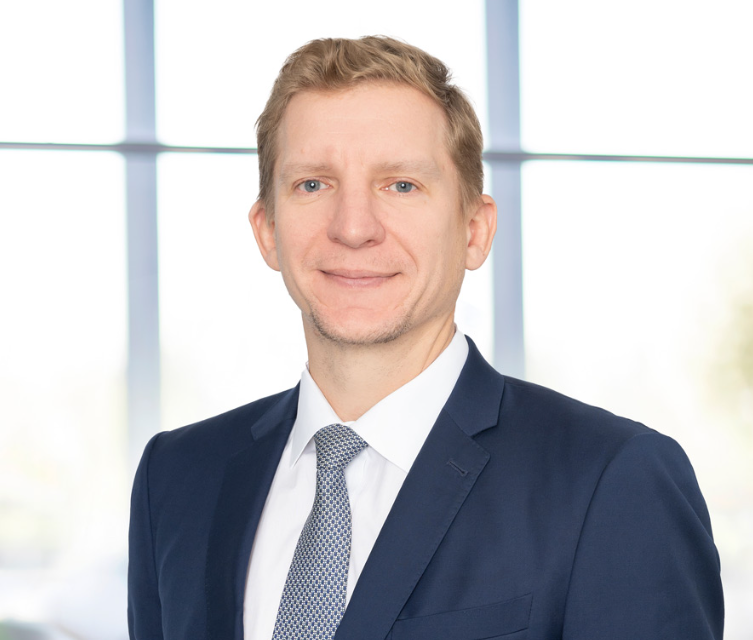
Wieder
Q: How do you approach the middle market for this strategy?
A: Our private equity investment strategies target companies across the lower middle market and core middle market spectrum and we look to take a similar approach with our secondaries strategy. We see a deep opportunity of companies in the middle market that offer compelling risk-reward characteristics and multiple avenues for value creation. We also focus on high-quality institutional sponsors. We’re comfortable working with independent sponsors and emerging managers and have found many attractive situations at the smaller end of the market. We focus on the smaller end of the CV [continuation vehicle] market, on deals where less than USD 1bn of total equity is being raised. We’ll look at transactions as small as USD 100m to USD 200m.
Q: Within those parameters, how is the opportunity set evolving?
A: Recent survey data suggests that while larger managers have increasingly incorporated CVs into their exit toolkit, fewer than a third of smaller managers have completed a CV transaction. That isn’t because they lack high-quality assets. In many cases, they have excellent businesses and strong growth opportunities, but the challenge is awareness and access. They often don’t receive the same attention from buyers as larger sponsors. At the same time, capital within secondaries is increasingly concentrated in larger funds that are either hybrid strategies combining LP and GP transactions or dedicated GP-led funds that need to deploy hundreds of millions of dollars at a time. That naturally pushes them toward larger transactions and larger sponsors. As a result, many middle market managers often need something unique to attract attention. One of our goals is to be a solution partner for that segment of the market.
Q: With more new entrants coming in – especially traditional buyout sponsors – the landscape is becoming more competitive. Are you seeing new strategies emerge?
A: The market is becoming more specialized, and we think successful firms will increasingly differentiate themselves based on clear strengths rather than trying to be everything to everyone. As the market grows, firms will focus on areas where they have competitive advantages. Some will lean on lending platforms, some on buyout capabilities and others on specialist sector expertise. We have chosen to build a strategy focused entirely on middle market investing and detailed asset-level diligence.
Q: How is the arrival of new entrants affecting the supply-demand imbalance within GP-led secondaries?
A: Supply continues to grow rapidly. Single-asset secondaries have been expanding at very strong rates, and there remains a substantial backlog of aging portfolio companies. Managers need DPI [distributions to paid-in]. And many portfolios remain well behind original distribution pacing assumptions. All those factors point toward continued growth in supply. At the same time, smaller managers remain underrepresented, creating an even larger pool of potential future transactions. On the demand side, we estimate the secondaries market currently has roughly one year’s worth of dry powder. When you narrow the focus specifically to the smaller end of the market, we believe the imbalance is even more pronounced.
Q: What is your approach to deal-sourcing?
A: The H.I.G. platform is organized to maximize deal flow in our segment of the market. A particularly important source of relationships is WhiteHorse Capital, our direct lending platform, which has spent more than 15 years financing middle market sponsors. But the overall network of sourcing channels is quite broad and includes other important touchpoints like company management teams and a wide set of operating partners and experienced advisors. Additionally, the secondaries team brings a great deal of experience working with middle market sponsors providing GP-led solutions throughout our careers.
Q: And underwriting?
A: We are building one of the largest dedicated secondaries teams focused on single-asset GP-led investing in the middle market. We’ve designed the approach to both apply comprehensive and thorough due diligence on a wide set of opportunities and to ensure that the sponsors we partner with on transactions have continuity and partnership with our team. On our underwriting process, we conduct rigorous buyout-style diligence that pulls in the right resources, experience, and perspectives from the entire organization. As an example, we engage with our 150-plus sector specialists in evaluating opportunities. Another important point is that we always seek to be the lead investor in transactions, which enables us to drive diligence, gain better access and structure alignment appropriately with the sponsor. Finally, if there are opportunities for us to bring the power of the H.I.G. platform to help or support a company, we can work with our partner sponsors to optimize the outcome.
Q: How receptive are GPs to a partnership-oriented model?
A: In the earlier years of the market, many sponsors viewed secondaries investors primarily as capital providers. As the market evolved toward single-asset solutions, sponsors increasingly began looking for partners who could provide more than capital alone. That’s especially true in our segment of the market. Many sponsors see value in having an experienced partner helping shape transactions, thinking through strategic initiatives and supporting growth plans. The shift has been gradual over the last four or five years, but it has been meaningful.
Hear more from Dan Wieder at Private Equity Forum US on 20–21 October 2026 at the Four Seasons Hotel Austin. He will join a panel exploring how GP-led secondaries are evolving, where opportunities are emerging and whether continuation vehicles are becoming a long-term solution for liquidity and value creation. Find out more and register here.
A service of 

Your M&A Future. Today
Explore unlimited content like this, available only in the platform.
Already a client? Sign in