
Exus to raise debt for wind repower, new build projects


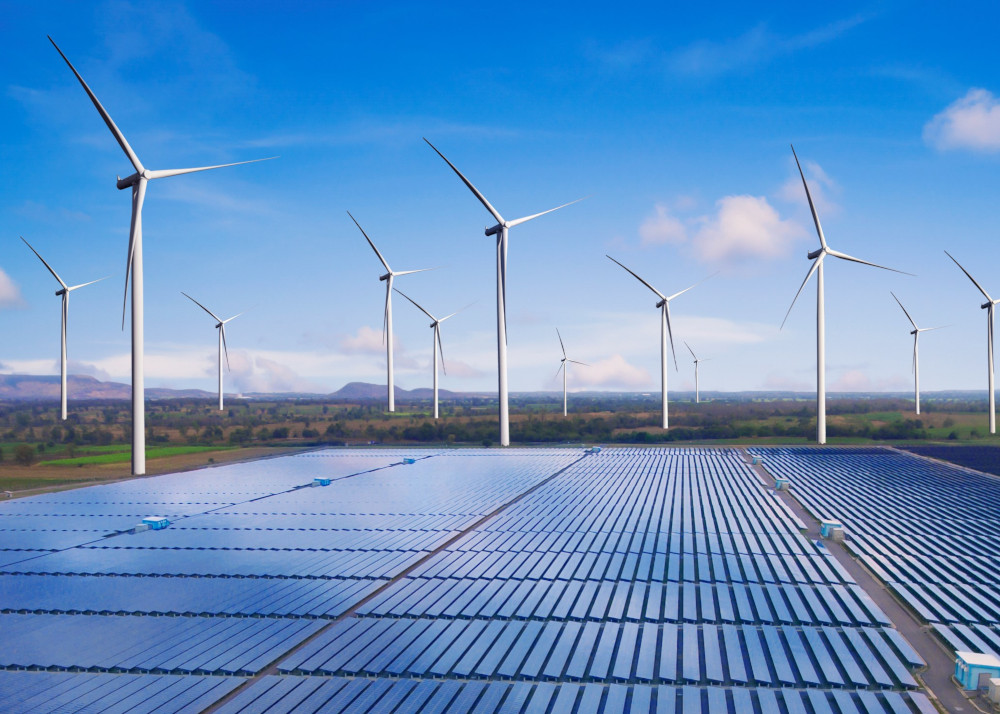
Exus Renewables North America, the Partners Group-backed renewable energy developer, plans to launch a roughly USD 350m-USD 400m debt and tax equity raise this month to repower a pair of Pennsylvania wind farms.
The firm will go to the market soon to repower its 75 MW Highland North and 62 MW Cambria Wind Farms, which the firm purchased in 2024 from Vitol and Oppidum Green Energy, respectively, President and CEO Jim Spencer told this publication.
The partial repowerings will leave the foundations and towers in place, but replace everything above the tower, Spencer said. The repowering project has a total capex of USD 280m, USD 147.5m for the Highland North site and USD 132.5m for Cambria. The repowering will not change the capacity of the sites but will allow them to run closer to full capacity more often.
The project will raise roughly an equal amount of debt and tax equity; the firm will not seek outside equity, which will come from financial backers Partners Group.
Exus also expects to go to the debt market later this year to raise funds for another one of its recently acquired projects, Spencer said, declining to reveal additional details.
“We’ve got a pretty robust financing agenda in front of us,” he said, adding that the firm has about USD 1bn in debt financing needs in the next 12 months.
Already this year, Exus announced the close of a USD 400m senior secured corporate credit facility, which will fund an expansion of the firm’s wind, solar, and battery portfolio. That facility was arranged by Santander, Barclays Bank, ING Capital, and Nomura Securities International, as coordinating lead arrangers, with KeyBanc Capital Markets and BHI, Bank Hapoalim’s US commercial banking arm as joint lead arrangers.
Exus was initially targeting just USD 250m for that debt raise, Spencer said.
“We basically brought in the entire bank group so there was no need to syndicate. The lead lenders all got to their final positions in one go. We were really happy with the financing, and how that went,” Spencer said. “There are banks that want to lend to good companies with good projects and good sponsors.”
Challenges for M&A
While the debt market may remain healthy for favorable projects, the renewable energy sector has become something of a minefield. For one thing, selling development projects is tougher at the moment than finding financing for them.
“If you have a project with line of sight to PPAs, all the development hurdles, you can find funding for it,” he said. “Whether somebody is willing to pay for those opportunities, from us or from someone else, is a bit of a different question.”
This is partially because of the impending rollback of tax credits under the One Big Beautiful Bill Act (OBBBA).
“We think the market remains after the tax credits expire in 2029. We think renewables will continue to be the lowest cost alternative, so we are pretty bullish about it,” he said. “But I think there’s some uncertainty there.”
Beyond that, other factors have made project costs less predictable. Spencer notes that interconnection costs can now run into the hundreds of millions in some regional transmission organizations (RTOs) even for a sub-100 MW project.
“It’s really hard to evaluate any project that doesn’t have its final interconnection costs pinned down,” he said. “Everything else could be great – you can be in a great market, great PPA, all of that – and if all of a sudden you’re hit out of left field with an exorbitant cost for interconnection, it just blows the project out of the water.”
This dynamic as well as tariff uncertainty has changed how project sponsors and developers are approaching power-purchase agreements, Spencer added. Exus has delayed signing PPAs for as long as possible, and has even reached a deal with one PPA offtaker, a major technology firm, under which they were given flexibility in the final price based on tariff concerns.
“That would have never happened five years ago,” Spencer said. “The only reason that’s happening is because they need the power.”
2026 plans
Exus is not sitting out the M&A market entirely though. The firm is engaged in negotiations to buy a portfolio of mid-stage development projects, Spencer said without providing further detail.
Overall, though, the firm is focused on developing its portfolio rather than adding to it. Exus is planning to build around 12 to 14 projects in the next two to three years.
“I think our plate is pretty full,” Spencer said. “We’ve got a huge construction pipeline ahead of us.”
A service of 

Shape your future with Infralogic. Today
Explore unlimited content like this, available only in the platform.
Already a client? Sign in